

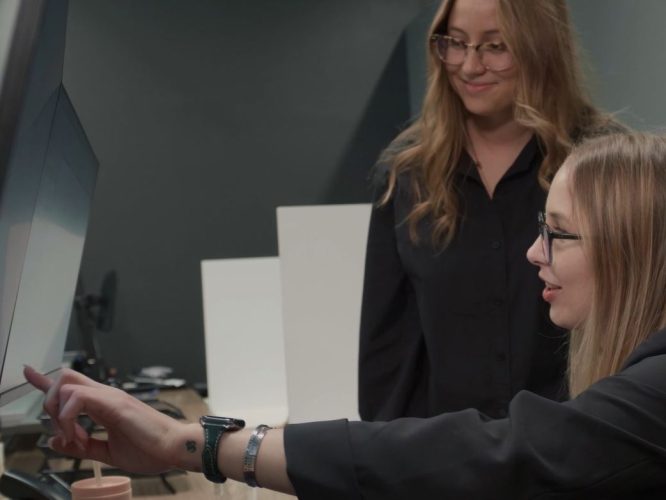
Whether you’re breaking ground on a new project, tackling a significant renovation, or investigating a structural issue, choosing the right structural engineer can have a major impact on your project’s success. Early engineering decisions influence everything from construction costs and permitting timelines to how a building performs for years to come. Before you hire an engineer, here are a few things worth considering.
Know Who You’re Hiring
Before discussing fees, timelines, or design approaches, verifying that an engineer is licensed in your state is step number one. But while a license gets them in the door, it’s their specific project history that can save you time and money.
Not all structural engineers have the same areas of expertise. Some firms focus on a narrow range of projects, while others work across multiple sectors. At ISE, we bring experience across multifamily housing, commercial developments, healthcare facilities, and modular construction. That breadth of work allows us to apply lessons learned from a variety of project types and construction methods, helping clients develop practical and efficient structural solutions.
We believe that diverse experience leads to stronger problem-solving, better coordination, and a deeper understanding of the challenges that can arise throughout design and construction.
To better understand an engineer’s qualifications and experience, ask questions such as:
- Are you licensed in the state where the project is located?
- How long have you been practicing structural engineering?
- Have you completed projects similar to mine?
- Can you provide examples of relevant work?
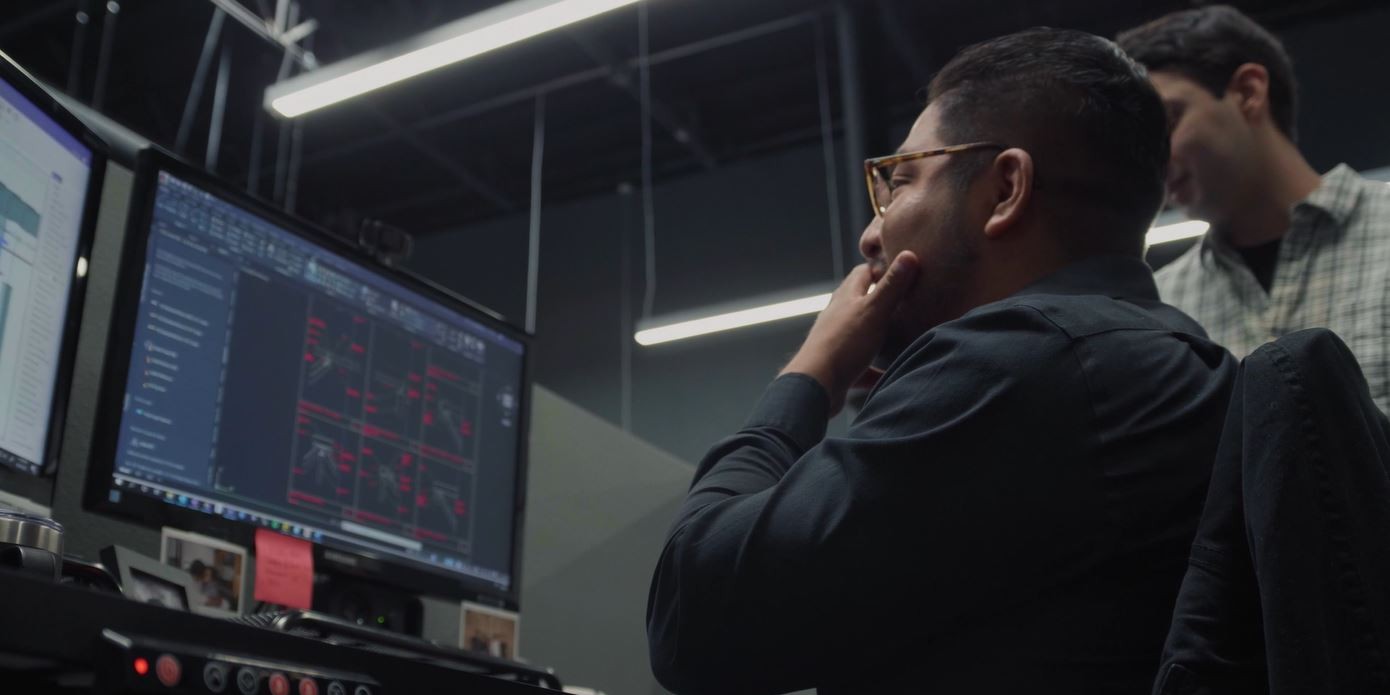
Experience matters. The right structural engineer brings both technical expertise and project-specific knowledge to help guide critical design decisions.
Taking the time to verify credentials at the beginning of the process can help prevent delays, design issues, and permitting challenges later. The right engineer should have both the qualifications and the project-specific experience needed to support your goals.
Consider Local Knowledge
Every jurisdiction has its own unique building codes, permitting requirements, and construction practices. While technical expertise is essential, working with an engineer who knows the region is a game-changer for your timeline.
Local engineers frequently work with nearby building departments, geotechnical consultants, architects, and contractors. That familiarity can help identify potential issues early and improve coordination throughout the project. At ISE, we actively maintain these local relationships across the regions we serve, allowing us to seamlessly bridge the gap between disciplines, streamline the permitting process, and keep your project moving forward without unnecessary complications.
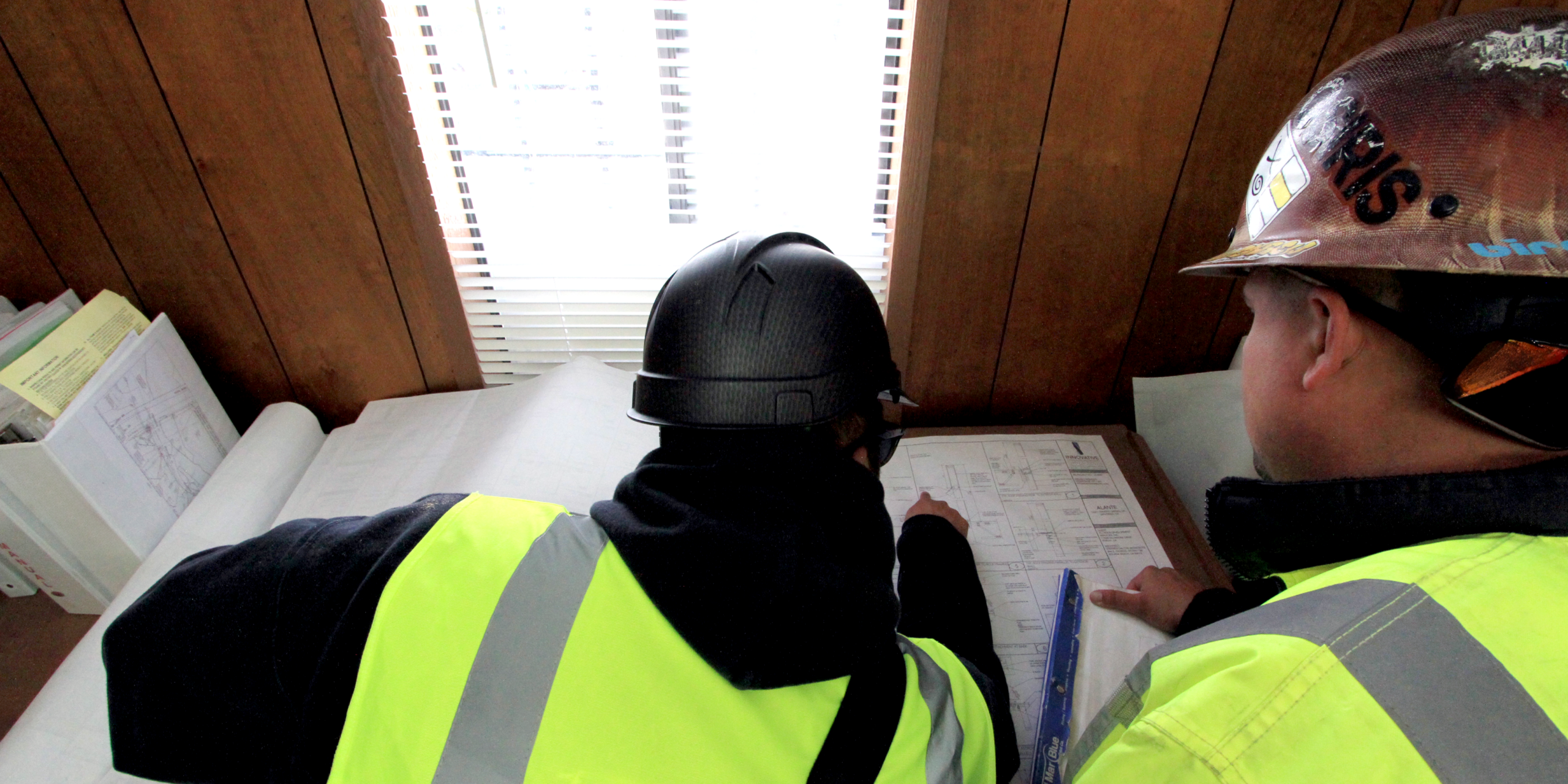
We dive deep into project plans to ensure structural details seamlessly align with site conditions, regulatory updates, and permitting rules.
Structural Engineers Help Manage Risk
Many people think structural engineering is all about calculations. While calculations are certainly important, much of the job involves identifying potential problems before construction begins. Some common examples include:
- Poor soil conditions that require specialized foundations
- High groundwater levels that can affect excavation and construction
- Seismic requirements that influence the structural system
- Existing damage or deficiencies in older buildings
- Unpermitted modifications from previous owners
- Site constraints that affect how a project can be built
A structural engineer helps owners understand risks that may not be obvious during the early planning stages. Through years of experience evaluating existing buildings and designing new structures, ISE helps clients identify potential challenges before they become costly construction issues.
Early Collaboration and Clear Communication
At ISE, we believe good engineering is not just about calculations. It is about helping owners, architects, and contractors understand their options so they can make informed decisions throughout the design and construction process.
One of the most common mistakes owners make is waiting too long to involve a structural engineer in the design process. Early collaboration allows the entire team to build efficiencies into the design from day one to eliminate conflicts and accelerate the permitting process.
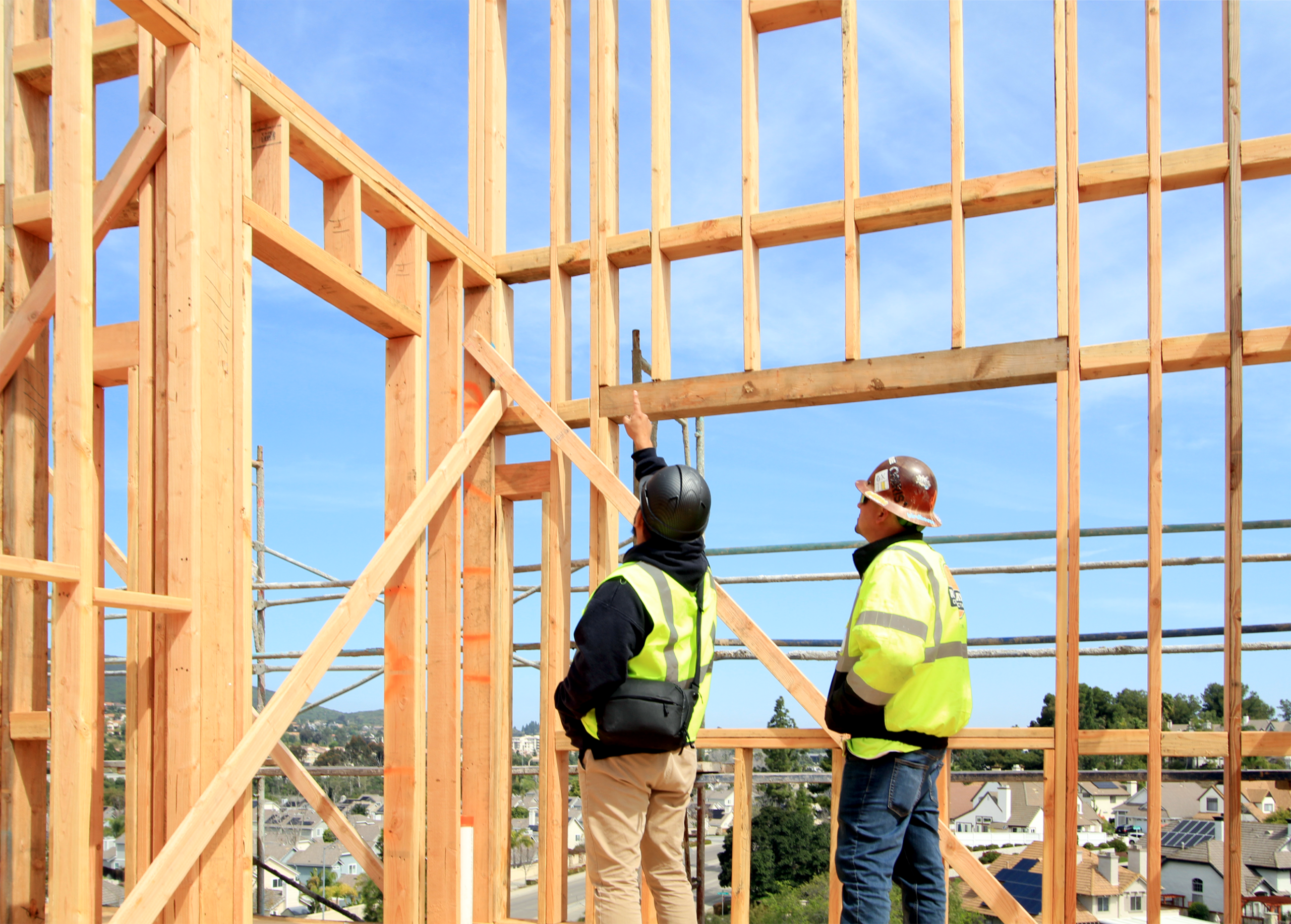
Early coordination between structural engineers, contractors, and project teams helps identify challenges before they become costly construction issues.
Just as important as timing is communication; a good structural engineer should be able to explain complex concepts in plain language and clearly communicate the options available.
For example, if a specific project requires a complex structural solution, your engineer should be able to explain the tradeoffs:
- Is the design worth the added cost?
- Are there alternative approaches that achieve a similar result?
- How will the decision affect the project budget and schedule?
These conversations help owners make informed decisions rather than encountering surprises later in the process.
Clear communication also becomes especially valuable during construction when unexpected site conditions arise, and project teams need answers quickly. The earlier potential issues are identified and discussed, the easier and less expensive they are to resolve.
Choosing the Right Partner for Your Project
At the end of the day, structural engineering is about more than meeting minimum code requirements. Good structural design balances safety, efficiency, constructability, and long-term performance.
Hiring the right engineer means finding someone who understands your project, communicates clearly, and looks for solutions that support your goals from the very beginning.
Whether you’re planning a commercial development, a multifamily housing project, or a custom residential build, the right structural engineer can help you avoid costly surprises and create a structure that performs well for years to come. With experience across a wide range of project types, ISE focuses on efficient, coordinated designs that help clients navigate challenges and move projects successfully from design through construction.