

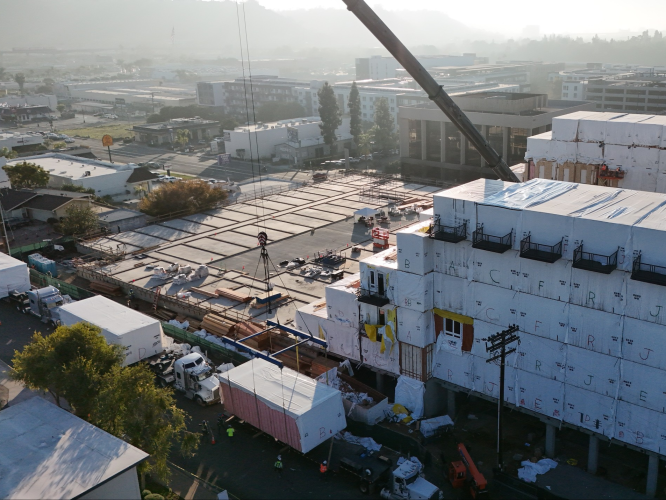
Modular construction offers speed, efficiency, and repeatability, but every successful modular project depends on structural connections designed specifically for the way each factory builds its modules. Unlike traditional construction, modular buildings require custom connection strategies that match the manufacturer’s framing methods, fabrication workflow, and installation sequence.
At ISE Structural Engineers, modular design is a core specialty. The firm works with developers, architects, and modular manufacturers to engineer the structural systems that allow individual modules to perform as one unified, code-compliant building.
Designing for Shipping, Lifting, and Installation
In modular construction, buildings are partially assembled in a factory, transported to the jobsite, and then set in place by crane. Because of this, structural connections must perform during multiple phases of the project — not just in the finished building.
Connections must resist forces during fabrication, transportation, lifting, stacking, and long-term occupancy. Each stage places different demands on the structural system, making connection design one of the most critical and specialized parts of modular engineering.
Modules must be strong enough to travel, rigid enough to lift, and precise enough to align when stacked. If connection details are not designed for all of these conditions, problems may not appear until installation begins — when changes are difficult and costly.

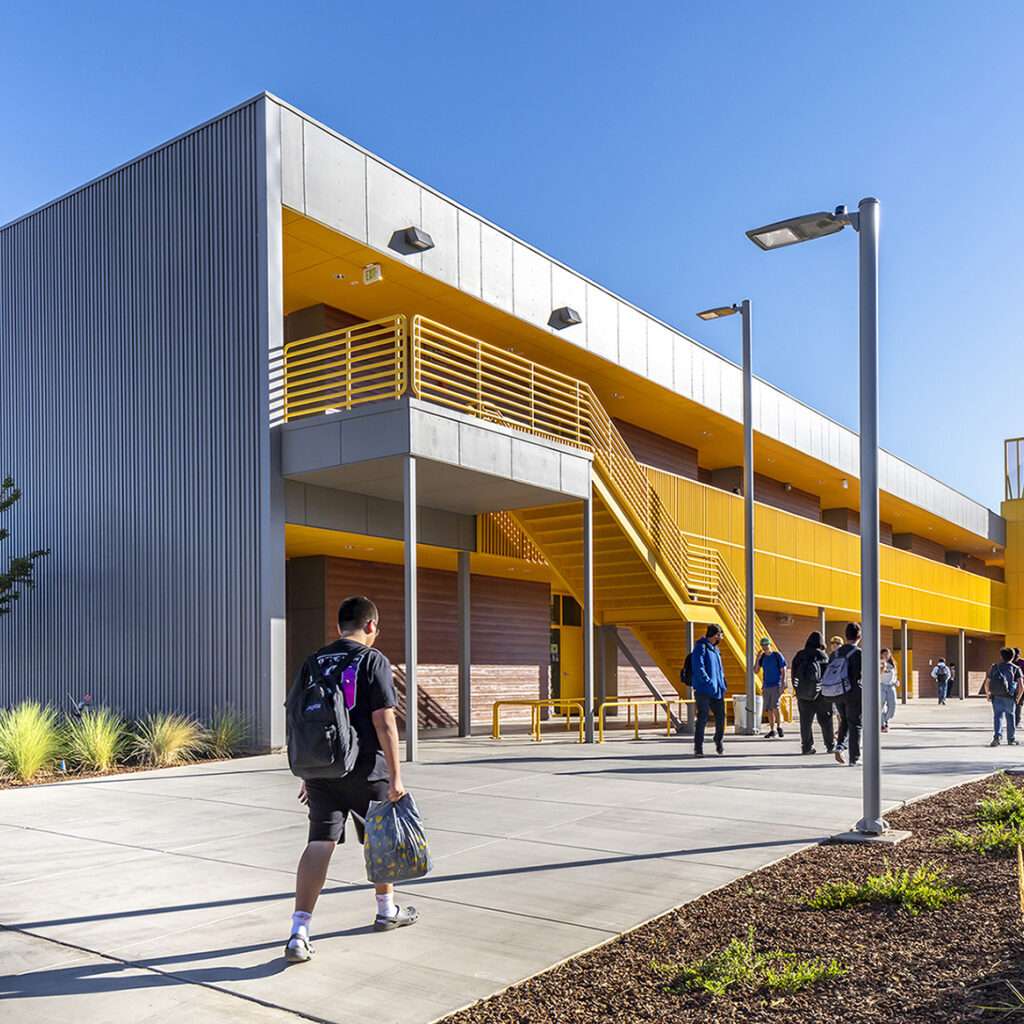
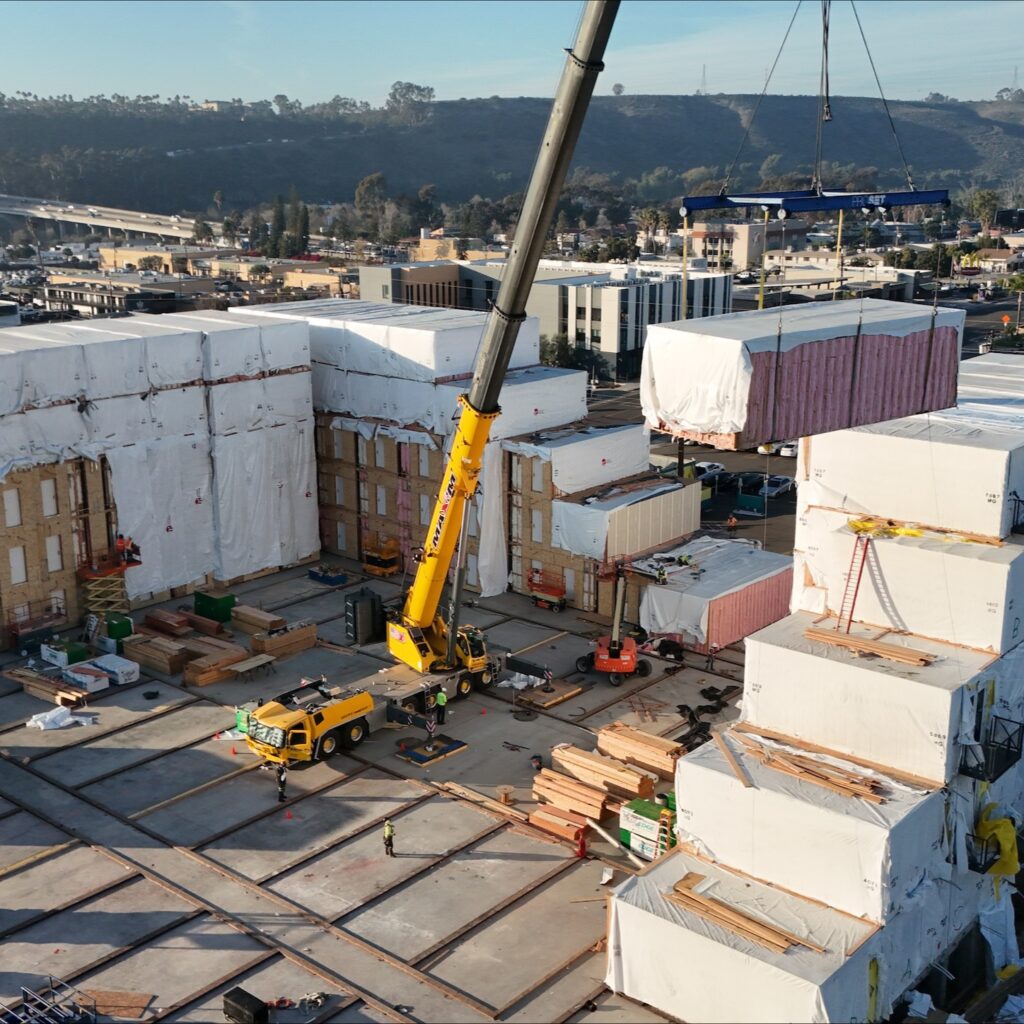
From healthcare to multifamily, each project requires modular connections that work with the factory built modules to ensure transportation, assembly, and long-term structural integrity.
Every Modular Factory Uses a Different System
Modular construction is not standardized across the industry. Where site built follows a similar construction system with minor differences in each project, each manufacturer works with their team to develop their own proprietary module design based on its equipment, production methods, and preferred materials.
Differences between factories may include module size, framing layout, diaphragm construction, connection hardware, lifting points, and fabrication tolerances. Because of these variations, structural details that work for one modular builder often cannot be reused for another.
ISE works directly with modular manufacturers to understand how their modules are built before structural design begins. This allows the engineering to support the factory’s workflow instead of forcing the factory to change how it builds modules.
Differences between modular manufacturers may include:
- Wall framing configuration and module size
- Floor and ceiling diaphragm design and construction sequence within the factory system
- Steel vs. wood vs. cold-formed steel modules
- Hold-down and tie-down systems
- Inter-module connection plates
- Lifting points and rigging requirements including requests with on-site framing team
- Tolerances and alignment methods
- Robot types, equipment tolerances within the factory construction sequence
Connection Design and Coordination Drive Modular Project Success
In traditional construction, connections are important. In modular construction, highly refined connection design is vital to the timeline, bottom line, and constructability.
Connections between modules must transfer gravity loads, resist wind and seismic forces, provide uplift resistance, and create continuous load paths to the foundation — all while allowing modules to be installed quickly in the field.
Because modules are fabricated off-site, most decisions must be finalized early. Structural connection design must account for how modules are built in the factory, how they are transported, where lifting points occur, and how modules will align with the foundation and with each other during installation.
Successful modular projects require early and consistent coordination between the structural engineer, the modular manufacturer, and the field installation team. Embed plates must align with foundation locations, lifting points must match structural framing, and connection details must allow crews to complete installation efficiently during crane setting.
On large projects, even small changes to connection details can affect hundreds of modules. On the Mission Gorge / Decena Apartments project, ISE engineered the structural system for a five-story modular building consisting of 515 modules. Standardized and proprietary module-to-module connections helped streamline factory production while allowing rapid installation on site.
Why Modular Experience Matters
Modular construction requires structural engineering that adapts to different factory systems, proprietary connection details, and unique fabrication workflows on every project. Because each manufacturer uses its own module design, structural connections must be engineered specifically for how those modules are built, transported, and assembled.
And, as each factory grows and learns their best business practices, ISE adapts to accommodate – coordinating with changing factory or field efficiency changes. This adaptability and flexibility in coordination is essential to effective modular construction.
ISE Structural Engineers has applied this approach across healthcare, housing, and other modular projects where connection design had to match the exact prefabrication method being used.
If your project involves modular construction, connection design cannot be an afterthought. It must be engineered specifically for the factory, the module, and the installation sequence.
Whether your project uses wood modules, steel modules, or hybrid systems, ISE brings the experience needed to engineer connections that work the first time—so your modular project stays on schedule and on budget.